

“I have read that the effects of pill placebos are substantial in the treatment of depression. So can we be certain that the effects of psychotherapy are more than simply placebo effects?”
Psychotherapy compared with pill placebo
This question can be answered in a straightforward way by looking at studies in which psychotherapy for depression is compared with pill placebo. This shows that the effects of psychotherapy are larger than those of placebo, meaning that at least not all effects of psychotherapy can be explained by placebo.
In one large meta-analysis, we examined response rates, defined as a 50% symptom reduction between the start and end of therapy, in psychotherapy outcome studies, including studies in which psychotherapy was compared with placebo control conditions. We found that the response rate in people receiving psychotherapy was 41%, and in those receiving placebo 31%.
One could conclude that these findings suggest that about three quarters of the effects of therapy can be explained by placebo effects, and that the unique contribution of psychotherapy is only 10% (41% minus 31%). However, the reality is more complicated.
What is the placebo effect?
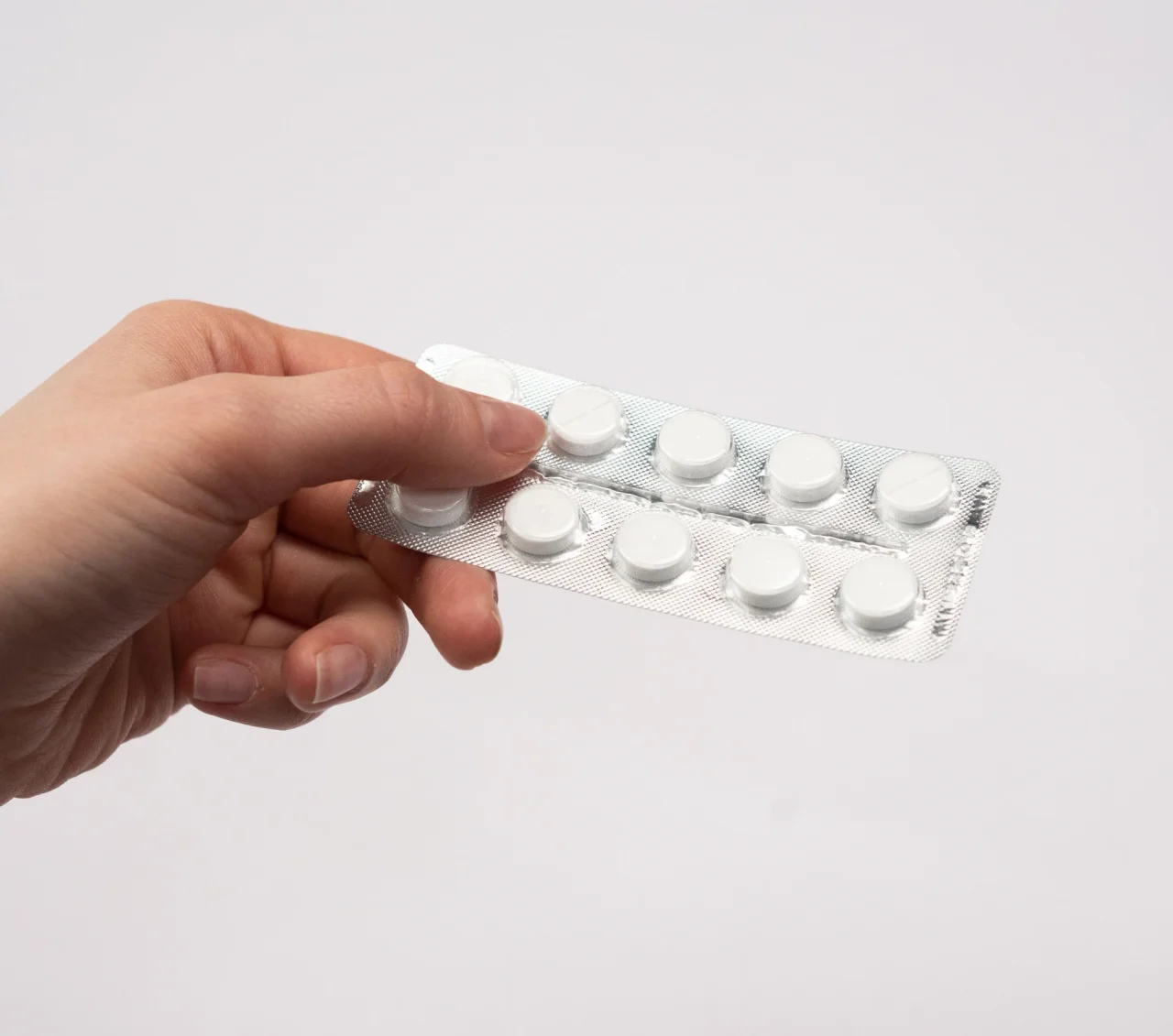
The placebo effect can be seen as an improvement in symptoms caused by a person’s expectations of a treatment, rather than by the treatment’s specific ingredients. In drug trials, the placebo usually consists of a sugar pill that looks exactly like a pill that contains, for example, an antidepressant. Patients are randomly assigned to get the placebo or the actual drug, and in good trials nobody is aware of who got the placebo and who got the antidepressant.
The placebo response rate in drug trials is comparable to the response rate in psychotherapy trials in which patients received a pill placebo instead of psychotherapy.
Expectations matter in both
The problem is that expectancies play a big role in the placebo effect, but also in psychotherapies. Many researchers assume that giving hope to patients that the treatment will make them better, and increasing the expectation that things will get better soon, is an essential part of any therapy. The conclusion that psychotherapy contributes “only” 10% to the response rates is therefore not correct.
The effects of placebo and psychotherapy are both caused in part by increased expectancies that patients will improve.
Unfortunately, it is not exactly known how psychotherapies and placebos work, and the conclusion that both work at least in part through the same mechanisms is based on indirect evidence. But it should also be kept in mind that in real life, patients never get a pill placebo, because that is not a regular part of depression treatment. They do get psychotherapy, however, making psychotherapy the best way to provide such expectancies and hope to patients.
Why psychotherapy trials cannot be “double-blind”
In studies in which pill placebos are directly compared with antidepressants, all participants, clinicians and evaluators are usually masked, so that none of them knows whether they received the drug or the placebo. That is a very strong scientific design: differences between those who got the drug and those who got placebo can only be caused by the drug, because that is the only difference between the two groups.
For psychotherapies, such “double-blind” trials are unfortunately not possible, because patients and clinicians are fully aware of whether they are in the treatment or the control group. This is a key problem for psychotherapy research, for which no good solution exists.
In conclusion
Psychotherapy for depression is more effective than pill placebo, but it remains unclear how much of its effects can be attributed to specific therapeutic techniques, and how much to expectations of improvement and hope. These factors are important in both psychotherapy and placebo effects and cannot easily be separated. Because patients and therapists cannot be blinded in psychotherapy trials, it is difficult to determine the exact contribution of each.
What matters, however, is that psychotherapy can provide patients with both effective therapeutic techniques and hope for improvement.
- For how the “causes of change” are often (mis)estimated, see What are the real causes of change in psychotherapy?
- For why therapy is more than good human contact, see Is human contact the most important part of therapy?
- For how psychotherapy compares with antidepressants, see Medication or psychotherapy for mental health problems?
Pim Cuijpers is professor emeritus of clinical psychology and scientific director of Metapsy. He has been involved in more than 1,100 scientific studies, mostly on psychological treatments of mental health problems. This is one of a series of evidence summaries in which Prof. Cuijpers tries to answer questions from patients and clinicians, based on what is known in science about treatments. The knowledge is mostly drawn from collective work of the Metapsy collaboration of at least 15 years. Do you have other questions you would like Prof. Cuijpers to discuss? Feel free to contact us.
Literature
- Colloca L, Barsky AJ. (2020). Placebo and nocebo effects. The New England Journal of Medicine, 382(6), 554–561.
- Cuijpers P, Karyotaki E, Ciharova M, Miguel C, Noma H, Furukawa TA. (2021). The effects of psychotherapies for depression on response, remission, reliable change, and deterioration: a meta-analysis. Acta Psychiatrica Scandinavica, 144, 288–299. https://doi.org/10.1111/acps.13335
- Cuijpers P, Turner EH, Mohr DC, Hofmann SG, Andersson G, Berking M, Coyne J. (2014). Comparison of psychotherapies for adult depression to pill placebo control groups: a meta-analysis. Psychological Medicine, 44, 685–695.
- Enck P, Zipfel S. (2019). Placebo effects in psychotherapy: a framework. Frontiers in Psychiatry, 10, 456.
- Evers AWM, et al. (2018). Implications of placebo and nocebo effects for clinical practice: expert consensus. Psychotherapy and Psychosomatics, 87(4), 204–210.
- Fernández-López R, et al. (2022). Influence of placebo effect in mental disorders research: a systematic review and meta-analysis. European Journal of Clinical Investigation, 52, e13762.